Against the backdrop of persistently low birth rates, assisted reproductive technology (ART) carries the fertility hopes of countless families. Statistics show that the number of assisted reproductive cycles performed annually in China has exceeded one million. Countless clinicians, embryologists, and nurses work tirelessly across every stage—from outpatient consultation and treatment planning, to ovulation stimulation monitoring and oocyte retrieval, embryo culture and transfer, to luteal support and follow-up management. Each step determines whether a new life can safely come into the world.
With breakthrough advances in large language model technology, intelligent agents—autonomous systems capable of planning, memory, tool use, and self-reflection—are quietly reshaping healthcare. When these two forces converge, what transformations will the field of assisted reproductive technology undergo?
AI Agents: From Concept to Clinical Practice
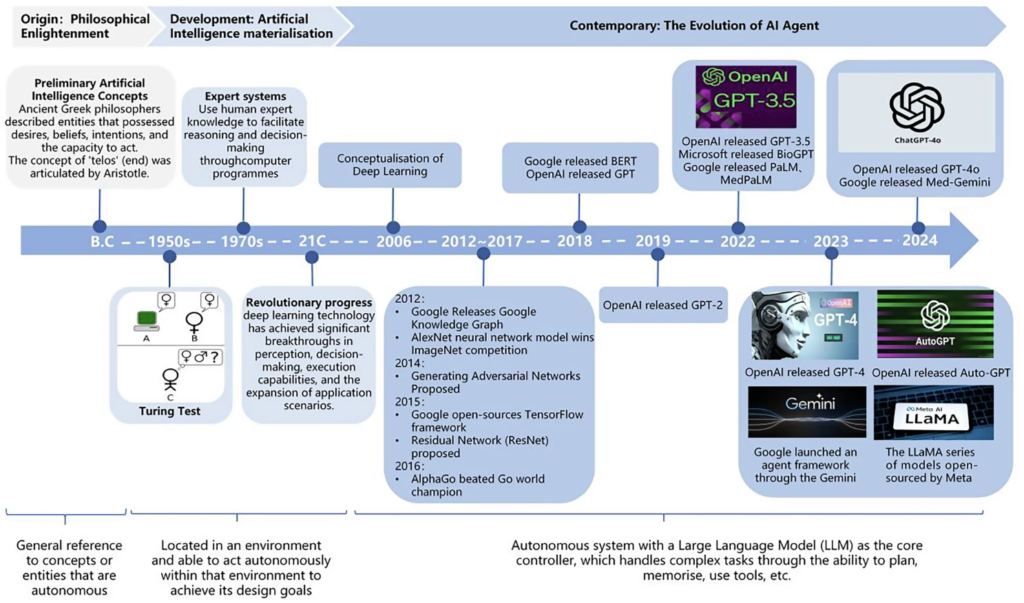
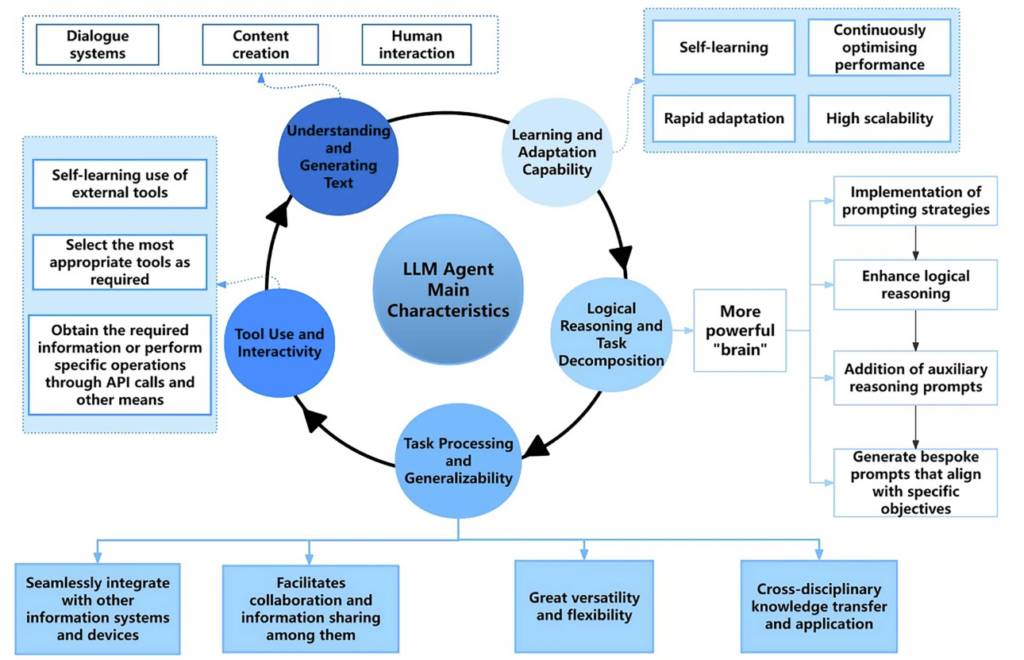
Simply put, an AI agent is an AI system centered on a large language model as its core controller, enabling autonomous task planning, tool invocation, conversational interaction, and continuous self-improvement. Unlike traditional passive-response AI, it acts more like a proactive “digital colleague.”
A fully functional AI agent possesses four core capabilities:
- Planning: Breaking down complex tasks into executable steps;
- Memory: Storing and retrieving critical information;
- Tool use: Leveraging external resources to complete tasks;
- Self-reflection: Evaluating performance and iteratively optimizing behavior.
The integration of these four capabilities fundamentally distinguishes AI agents from conventional AI tools. They not only answer questions but also actively identify problems, formulate strategies, deploy resources, and refine outcomes over time.
AI agents have already moved from theory to real-world medical applications. For instance, CheXagent autonomously interprets medical images and generates reports, while MedAgents enhance diagnostic accuracy through multidisciplinary iterative discussions. These examples confirm that AI agents have transitioned from conceptual frameworks to practical clinical tools.
Assisted Reproduction: A New Frontier for AI Agents
Clinical Workflow: Decision Support and Surgical Coordination
In outpatient settings, the core value of AI agents lies in end-to-end memory and proactive contextualization. They retain a patient’s medical history, prior concerns, and previous consultations, enabling continuous, context-aware communication rather than repetitive questioning.
During ovulation stimulation monitoring, an AI agent can proactively alert clinicians based on trend analysis: “Based on your recent hormonal changes, follicular development is slightly slower than expected. Would you consider adjusting the dosage?” Instead of waiting for queries, it actively detects anomalies and proposes interventions.
In surgical coordination, AI agents streamline scheduling for oocyte retrieval and embryo transfer, access real-time patient data to support intraoperative decisions, and free medical staff from tedious administrative coordination.
Laboratory Workflow: Culture Decisions and Quality Control
In the embryology laboratory, AI agents excel at multimodal data integration and proactive planning. When embryologists must select among multiple embryos, the AI agent synthesizes time-lapse morphokinetic parameters, parental genetic screening results, and prior cycle outcomes to generate structured, evidence-based priority recommendations with clear justifications.
For quality control, if an incubator shows minor temperature fluctuations, the AI agent not only issues timely alerts but also retrieves recent embryo development records from that device, assesses potential risks, and recommends mitigating actions.
Patient Care and Administration: Continuous Support and Operational Efficiency
For patient services, AI agents deliverproactive engagement and personalized responses. When a patient asks, “What should I prepare for tomorrow?” the AI agent tailors guidance based on their medication protocol, cycle stage, and past questions.
Beyond reactive replies, AI agents take initiative: sending reminders for missed medications, pushing follow-up notices after prolonged inactivity, and flagging abnormal follow-up data for clinician review. This shift from passive response to active management provides patients with consistent, compassionate support rather than impersonal automated messages.
Opportunities and Challenges
Looking ahead, AI agents hold vast potential across the entire assisted reproductive journey.
- Clinical decision-making: By integrating genetic testing, prior ART failure history, and endometrial receptivity data, AI agents can offer personalized recommendations for ovarian stimulation protocols and transfer timing, and support structured multidisciplinary discussions between reproductive medicine, endocrinology, and genetics specialists.
- Patient engagement: AI agents can manage patients proactively from initial consultation to post-transfer follow-up, delivering stage-specific guidance, monitoring medication adherence, and analyzing pregnancy outcome trends.
- Operational management: AI agents can optimize resource allocation and scheduling across clinics, operating rooms, and laboratories, reducing delays and errors caused by information silos.
- Collaborative innovation: Through privacy-preserving technologies such as federated learning, AI agents could aggregate clinical insights across fertility centers while protecting sensitive data, accelerating the validation and adoption of new techniques.
Nevertheless, significant challenges remain:
- Technical reliability: AI agents may produce “hallucinations”—plausible but incorrect information—which is unacceptable in high-stakes decisions such as stimulation dosing or embryo prioritization.
- Data interoperability: Assisted reproduction involves disconnected systems across clinics, operating rooms, and labs with inconsistent formats and limited integration, hindering end-to-end AI agent coordination.
- Privacy and security: Reproductive data, including gamete and embryo information, is highly sensitive. Widespread AI agent deployment amplifies privacy risks and demands rigorous protection.
- Clinical adoption: Gaining trust among clinicians, embryologists, and nursing staff requires sustained validation, education, and demonstration of real-world safety and utility of AI agents.
Conclusion
For assisted reproductive professionals, AI agents represent not a threat, but a powerful ally. They handle administrative burdens, provide decision support, and accelerate training for new team members, allowing medical staff to focus on what matters most: delivering empathetic, human-centered care.
Empowered by artificial intelligence, AI agents strive to help every family longing for a child access more professional, compassionate assisted reproductive services. This, ultimately, is the most promising vision brought by the rise of AI agents in reproductive medicine.